Explore the Duty of Thumb Braces in Rehab for Hand Injuries and Discomfort Alleviation
Thumb injuries can substantially impede day-to-day activities and total hand feature. Correct recovery is vital for healing, and thumb dental braces are a vital element of this process. These devices provide the necessary support and security, assisting to relieve discomfort and advertise recovery. However, understanding the various kinds of thumb braces and their particular benefits is vital for reliable recovery. What factors should one consider when selecting one of the most appropriate support for their requirements?
Recognizing Thumb Injuries and Their Influence
Typically underestimated, thumb injuries can considerably impair hand function and total high quality of life. The thumb plays an important function in grasping and manipulating objects, and any type of injury can interrupt these vital jobs. Common sources of thumb injuries consist of sprains, fractures, and tendon injuries, often arising from sports, falls, or repeated strain. Such injuries can lead to discomfort, swelling, and reduced flexibility, making day-to-day activities testing.
Patients might experience difficulties in realizing products, which can affect their capability to carry out jobs, involve in pastimes, or care for themselves. Emotional effects, such as aggravation and lowered self-esteem, might also arise because of limitations in hand function. Early treatment and ideal rehab methods, consisting of using thumb dental braces, are crucial to recovering movement and strength. Understanding the importance of thumb injuries is important for effective treatment and enhancing the high quality of life for people affected.
Kinds Of Thumb Braces Available
Different types of thumb braces are available to cater to different demands in rehabilitation. Inflexible thumb supports offer security and immobilization, while versatile thumb sustains offer an equilibrium between support and flexibility. Understanding these alternatives can assist people select the most appropriate brace for their particular injury and recovery objectives.
Stiff Thumb Braces
Stiff thumb braces are crucial tools in the recovery of hand injuries, offering stable support to the thumb while restricting extreme movement. These dental braces are usually constructed from sturdy products such as thermoplastics or steel, making sure maximum strength. Their style commonly consists of adjustable straps, permitting a tailored fit that boosts immobilization and convenience. Stiff thumb dental braces are specifically useful for conditions like thumb tendon injuries, joint inflammation, or post-surgery recovery, as they assist reduce discomfort and prevent more injury throughout the recovery process. By limiting the thumb's range of movement, these braces promote correct positioning and advertise healing. Generally, inflexible thumb braces play an important function in restoring capability and managing discomfort in individuals with thumb-related injuries.
Adaptable Thumb Supports
While stiff thumb braces deal vital assistance throughout recovery, flexible thumb supports also play an important role in rehab by offering a balance in between movement and security. These assistances are created to fit a series of injuries, from moderate strains to post-operative recovery, allowing for increased motion while still supplying protection. Made from materials like neoprene or flexible, adaptable thumb sustains can contour to the hand's shape, making sure comfort throughout usage. They might feature adjustable bands to tailor the fit, enhancing customer conformity. Furthermore, these assistances can help hurting relief by advertising flow and lowering strain on injured tissues. Generally, versatile thumb sustains function as an effective option for individuals seeking both support and useful motion throughout rehabilitation.
Benefits of Using a Thumb Dental Braces
Making use of a thumb brace can significantly improve the rehab process for people recovering from hand injuries. These braces supply essential support, reducing and supporting the thumb strain throughout movement. This stabilization is necessary for minimizing pain, enabling individuals to involve in day-to-day tasks without aggravating their condition.
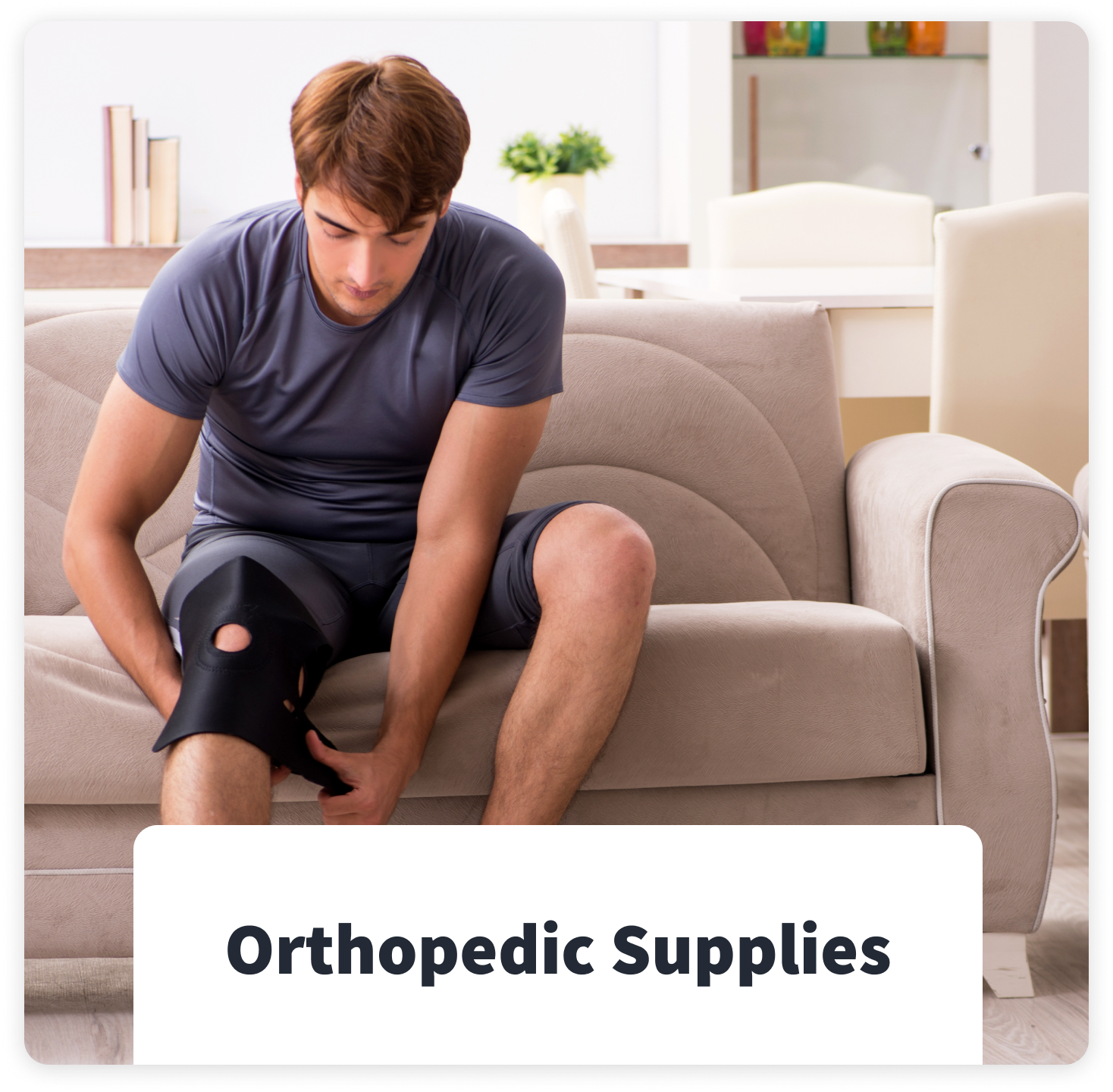
Moreover, numerous thumb braces are developed with convenience in mind, making them easy to put on throughout the day. This ease of access motivates constant usage, which is important for reliable recuperation. On the whole, the benefits of using a thumb brace substantially add to boosted end results in hand injury recovery.
How to Select the Right Thumb Brace
Selecting the appropriate thumb brace calls for mindful factor to consider of injury intensity, as this influences the degree of assistance required. Additionally, the materials and design of the support play an important function comfortably and functionality. Reviewing these aspects warranties effective rehab and recuperation.
Examining Injury Severity
How can one precisely evaluate the intensity of a thumb injury to pick the appropriate brace? A comprehensive analysis typically starts with understanding the kind of injury, such as sprains, fractures, or tendon concerns. Medical experts frequently advise observing symptoms like discomfort intensity, swelling, and series of movement restrictions. Additionally, the period of signs and symptoms can provide understandings right into the injury's severity; intense injuries may need immediate assistance, while chronic problems may require a various strategy. Analysis imaging, such as X-rays, can help validate fractures. Ultimately, hop over to here people ought to consult with healthcare companies to assure a precise assessment, permitting the selection of a support that provides the appropriate degree of assistance, immobilization, and convenience to promote suitable recovery.
Product and Design Variables
When selecting a thumb brace, people should think about both product and design elements to assure suitable assistance and convenience during the recovery process. Products such as thermoplastics, neoprene, and textile offer varying levels of breathability, adaptability, and rigidness. Neoprene provides heat and compression, while thermoplastics provide architectural assistance for extra extreme injuries.
Design attributes, including adjustability, extra padding, and convenience of application, are also essential. A support with flexible bands can accommodate swelling throughout healing, making sure a secure fit. Additionally, ergonomic designs that permit for all-natural thumb activity can boost performance during daily tasks. Generally, choosing a thumb brace that integrates suitable materials and thoughtful layout is necessary for reliable recovery and discomfort relief.
Tips for Effective Use of Thumb Braces
Although thumb braces can substantially help in the these details rehabilitation of hand injuries, their effectiveness mostly depends upon proper usage. Individuals need to validate that the support fits comfortably but comfortably, offering sufficient assistance without restricting flow. It is necessary to comply with clinical advice concerning period of wear, as overuse can result in muscle atrophy. Consistently inspecting for signs of inflammation or pain can aid prevent better complications.
Furthermore, individuals ought to take part in mild extending and reinforcing exercises as suggested by a healthcare specialist, as this can enhance the brace's benefits. Maintaining appropriate hand hygiene is vital, specifically if the brace is worn for extended durations. Individuals should be conscious of their everyday tasks, avoiding motions that might aggravate Learn More their condition while putting on the brace. By adhering to these suggestions, individuals can maximize the rehabilitative potential of thumb braces.
Combining Thumb Braces With Other Rehab Techniques
Integrating thumb braces with various other rehabilitation methods can significantly enhance recuperation results for hand injuries (Canadian Ortho Thumb Splint). Integrating thumb supports with physical therapy, for example, allows patients to gain from both support and targeted workouts. While the support immobilizes and safeguards the thumb, physical therapy can reinforce bordering muscle mass and boost overall feature

Moreover, integrating ergonomic changes at the workplace or home can avoid more strain on the thumb. Generally, a multi-faceted approach that incorporates thumb dental braces with these recovery approaches can greatly enhance the effectiveness of healing initiatives, leading to much better lasting end results for individuals dealing with hand injuries.
Often Asked Concerns
How Lengthy Should I Use a Thumb Dental Braces Daily?
Normally, people should put on a thumb support for 4 to 6 hours daily, depending upon the intensity of their condition. It is recommended to consult a medical care expert for customized referrals based upon certain requirements.
Can Thumb Braces Be Made Use Of for Joint Inflammation Discomfort?
Yes, thumb braces can be used to minimize arthritis discomfort (brace). They provide assistance, limitation motion, and minimize pressure on impacted joints, adding to boosted convenience and feature for people experiencing signs and symptoms related to joint inflammation in the thumb
Exist Any Kind Of Adverse Effects of Using a Thumb Brace?
Making use of a thumb support might result in potential side impacts, consisting of decreased flexibility, muscle weakness, skin irritability, or discomfort. It is crucial for individuals to monitor their signs and consult a healthcare expert if issues emerge.
Exactly how Do I Tidy and Maintain My Thumb Dental Braces?
To clean up and preserve a thumb brace, hand laundry it using light soap and cozy water, after that air dry completely. Regularly inspect for wear and tear, replacing it as needed to guarantee peak assistance.
Should I Consult a Doctor Before Making Use Of a Thumb Brace?
Consulting a physician prior to utilizing a thumb brace is a good idea. A medical care expert can give assistance on appropriate usage, ensure it matches the particular problem, and prevent issues linked with improper or unnecessary support application.